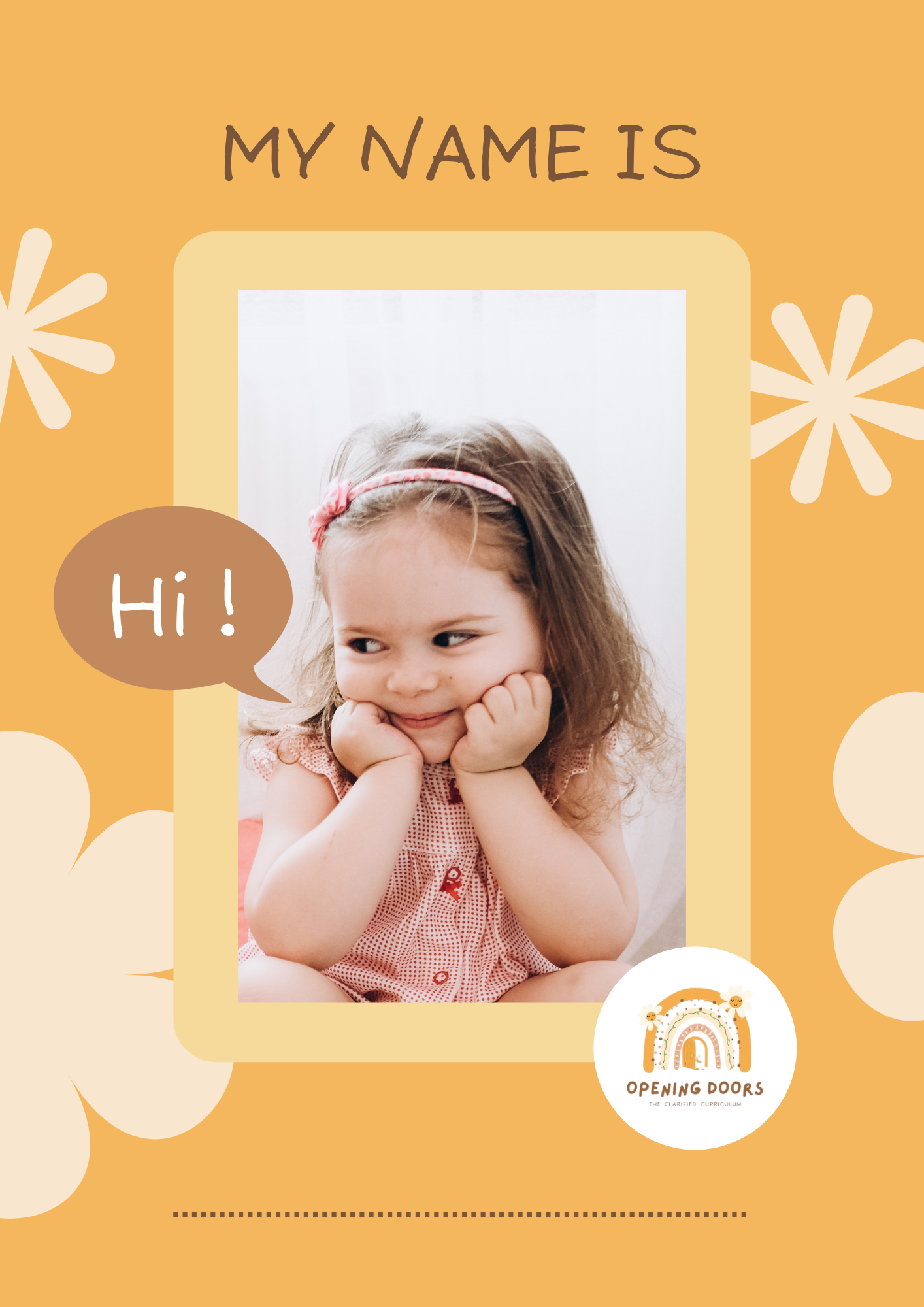
Editable Felt Experiences Handbook
$33.00
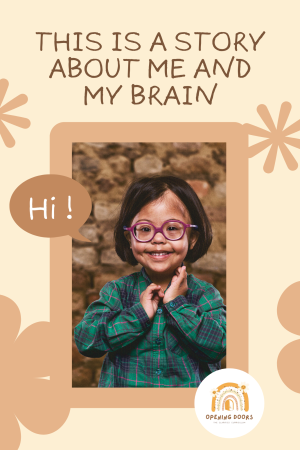
This editable storybook is a proactive tool designed to support children through the significant transitions of starting school or kindergarten. Rather than focusing solely on the “where” and “when,” this resource prioritises the child’s internal experience. It aims to help them build awareness of their new environment, recognize how change feels in their body, and identify what they might need to feel safe and settled.
Key Features:
Self-Advocacy Focus: Beyond just explaining the change, the book provides clear examples of how a child can advocate for themselves and ask for support.
Fully Customisable: Every child’s felt experience of a transition is unique. This template allows you to edit the specific language used (e.g., “Prep,” “Kindy,” or “Big School”) and add personal photos so the child can see themselves and their life experience in this book.
How to use your booklet
Preparing for a new educational setting is a big step! This booklet is designed to be a “social bridge,” helping your child understand why they might feel different when entering a new educational space.
Getting Started in Canva:
Customising Text: Click on any text box to change words like “Kindy” to “School” or “Preschool” to ensure the language matches what your child will hear daily.
Adding Photos: Upload your photos to the “Uploads” tab in Canva. Simply drag and drop your images into the existing frame bubbles.
Deleting Elements: If an image bubble or a specific page isn’t relevant to your transition, simply click it and press delete.
Personalising the Story:
Page 1 (The Star of the Story): Personalize the cover by adding a photo of your child. Seeing themselves on the front page helps to personalise what is being shared.
Page 5 (The New Environment): This is a key page for visual familiarisation. Add a photo of the specific school or kindergarten environment.
Sensory & Body Awareness: As you read through the sections about “what you might notice” and “how it feels in your body,” use this as an opening to talk about your child’s specific experiences (e.g., “The bell might be loud, but we can ask for headphones”). These elements can be edited and personalised to represent the child’s most accurate context.
The book has brief examples on scripts for verbalising needs as well as a brief statement on ways a parent may non-verbally provide support.