Editable ADHD Handout
$29.00
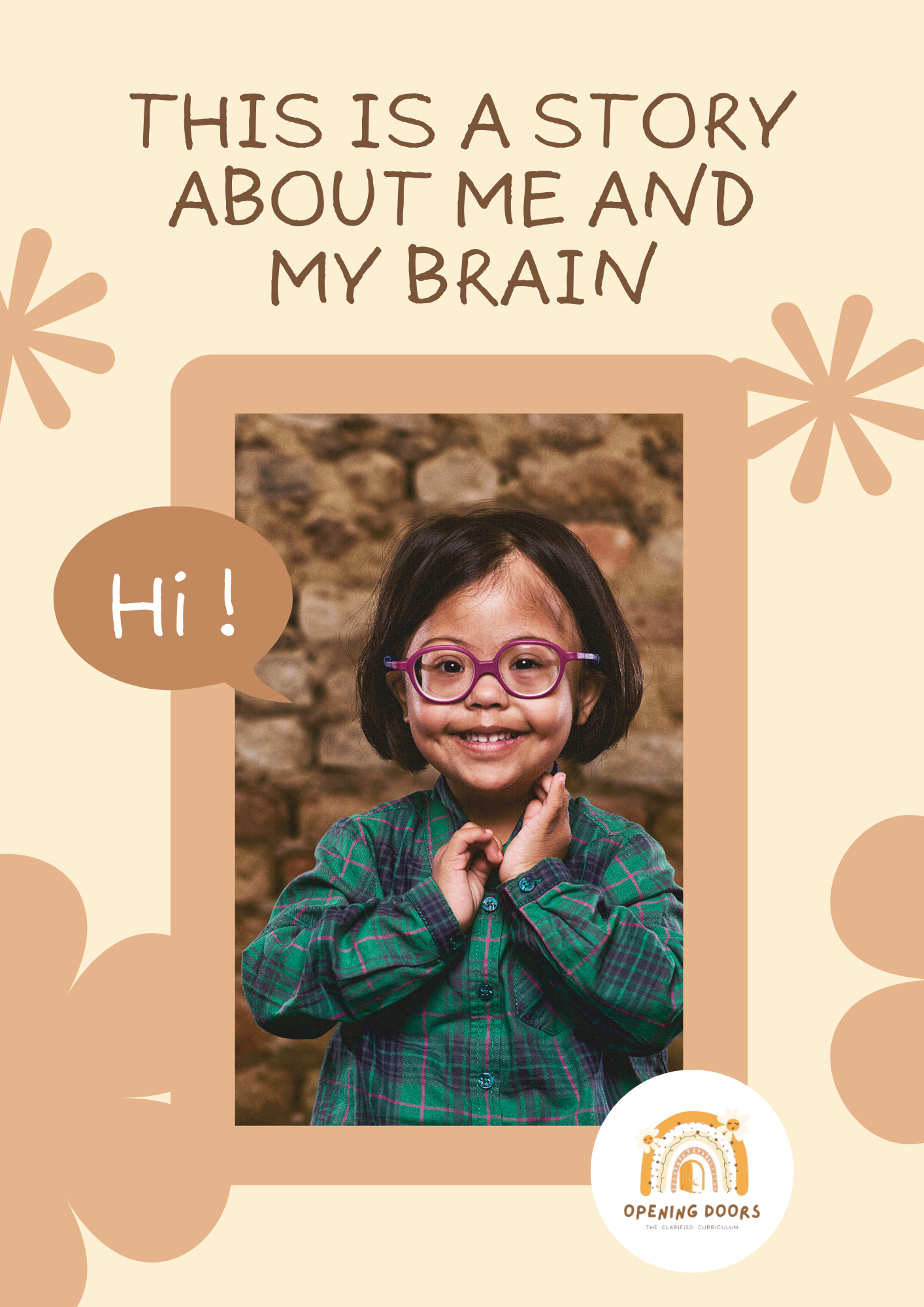
This personalised storybook is a gentle, empowering tool designed to help primary-aged children understand their ADHD or their unique way of processing the world. By focusing on placing who they are at the centre of the story.
Key Features:
Fully Editable: Designed in Canva, this resource allows you to customise text and images so the child sees their own face, their home, and their actual support network reflected in the story.
Neuro-Affirming Approach: The book frames ADHD as a different brain, not a broken one. It intentionally balances individual strengths with specific areas where the child might need extra support, fostering a sense of pride and self-awareness.
How to Use Your Editable Booklet
This booklet is a collaborative project between you and your child. Below is a guide to customising the pages to make the story truly theirs. You can choose to use the word “ADHD” throughout, or if you aren’t using labels yet, you can edit the text to focus solely on the “brain story” and the meaning behind their unique traits.
Getting Started in Canva:
Adding Photos: Upload your chosen images to Canva, then simply drag and drop them into the existing image bubbles.
Removing Elements: If a specific image bubble or section isn’t relevant to your child, click on it and hit delete to clear the space.
Page-by-Page Customisation:
The Cover: Feature a photo of the child perhaps doing something they love or a candid shot that captures their personality.
Page 6 (Support System): Insert a photo of the key figures in their life (parents, teachers, or mentors) to show them they aren’t alone.
Page 8 (Environment): Add an image of the child in a familiar space, like their bedroom or their classroom.
Pages 9–10 (The Medication Detour): These pages use child-appropriate language to discuss medication. If this isn’t part of your child’s journey, you can skip or remove these pages when printing.
Pages 11–12 (Q&A): Use these options to help the child find the words to answer common questions from peers or family.
Page 13 (Additional Supports): If you skipped the medication section, the story continues here. Use this space to add photos relevant to their supports.
Pages 14 (Movement & Rest): Add photos of the child engaged in supportive activities such as climbing, playing, resting, or using their sensory tools. Make this relevant to their world and you can edit the activities that they use to help themselves.
The Final Page: End with an image of the child enjoying a hobby or simply being themselves, reinforcing the message that they are exactly who they are meant to be.