

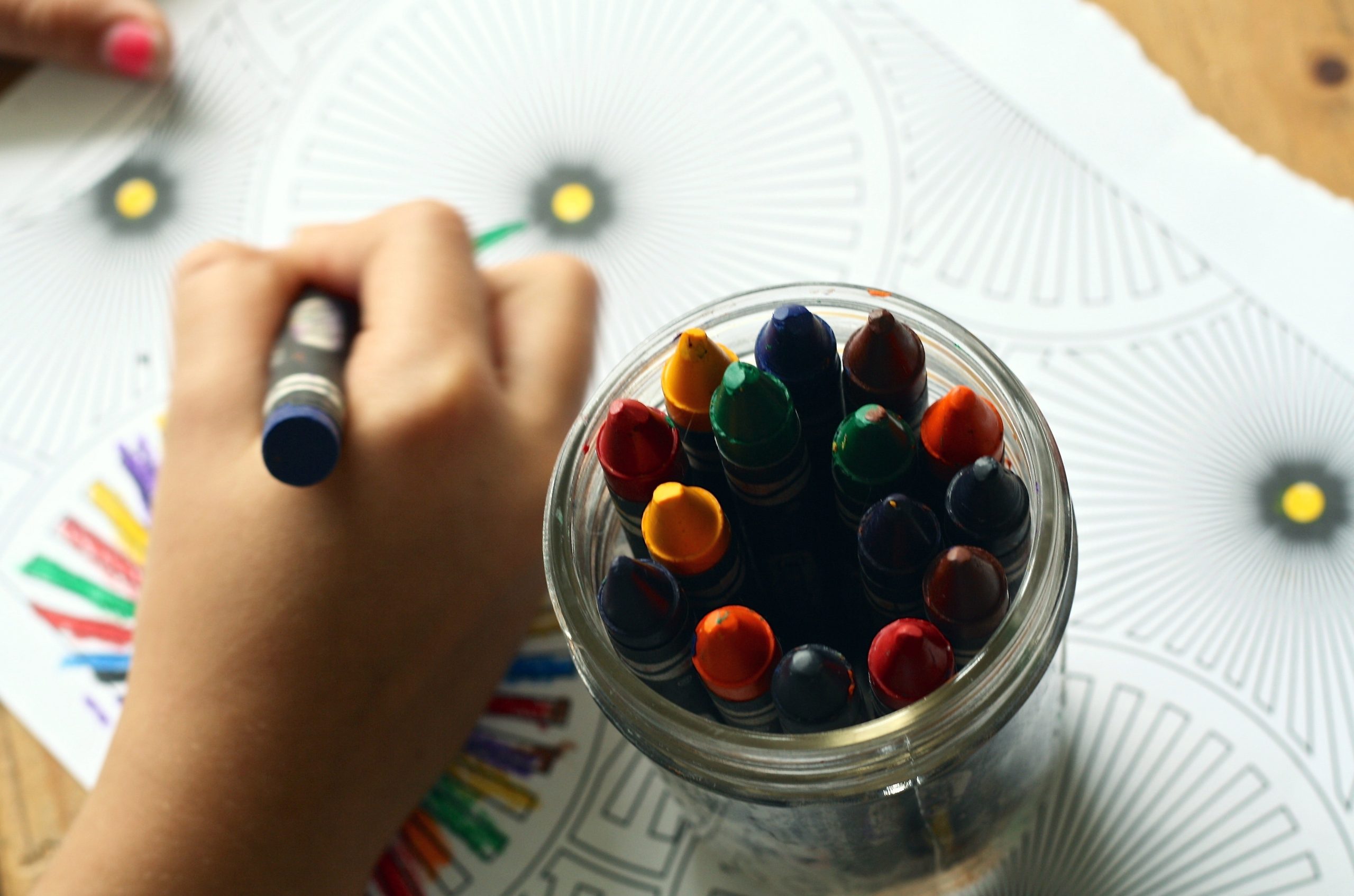
It is a creative counselling process where play is the main modality. Play is the natural language of the child and the toys become the child’s words. A play therapist is specifically trained to be able to identify and understand this.
The ability to understand a child’s play is like having a key into their world. This unlocking is achieved by creating a space of empathy, acceptance and non-judgement. It has been found that strong empathic relationships help children feel calmer, allow them to process big feelings and be more connected to themselves.
References:
O’Connor KJ, Schaefer CE, Braverman LD. Handbook of Play Therapy. John Wiley & Sons, Incorporated; 2015. SLIDE UNLOCKING THE THERAPEUTIC POWERS
Rogers CR. A Way of Being [Internet]. Boston: Mariner Books; 1995 [cited 2023 Jan 27]. Available from: https://search-ebscohost-com.ezproxy-b.deakin.edu.au/login.aspx?direct=true&db=nlebk&AN=1870513&site=eds-live&scope=site
JAYNE KM, RAY DC. Therapist-Provided Conditions in Child-Centered Play Therapy. Journal of Humanistic Counseling [Internet]. 2015 Jul [cited 2023 Jan 27];54(2):86–103. Available from: https://search.ebscohost.com/login.aspx?direct=true&db=sih&AN=103577262&authtype=sso&custid=deakin&site=eds-live&scope=site